
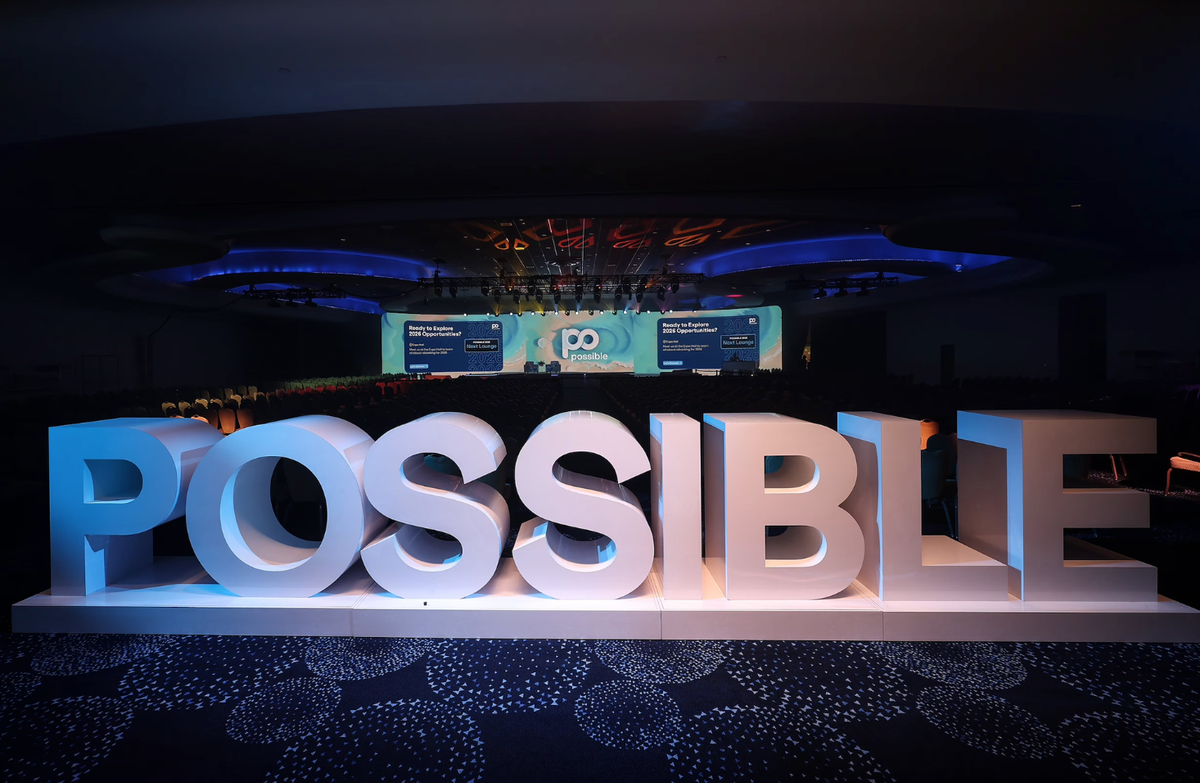
POSSIBLE 2026 took place last week in Miami, bringing together some of the most interesting voices in marketing, media, technology, commerce and culture.
Across the week, the sessions offered a useful look at where brand-building is heading: how creator partnerships are being structured, how live commerce is becoming a real engagement channel, how AI is entering the creative process, and how legacy brands are finding new ways to stay relevant.
A big thank you to the POSSIBLE team for creating a space where these conversations could happen with such openness and energy.
Here are the sessions that stood out to us.
Salesforce and MrBeast: A Super Bowl Ad as a Starting Point
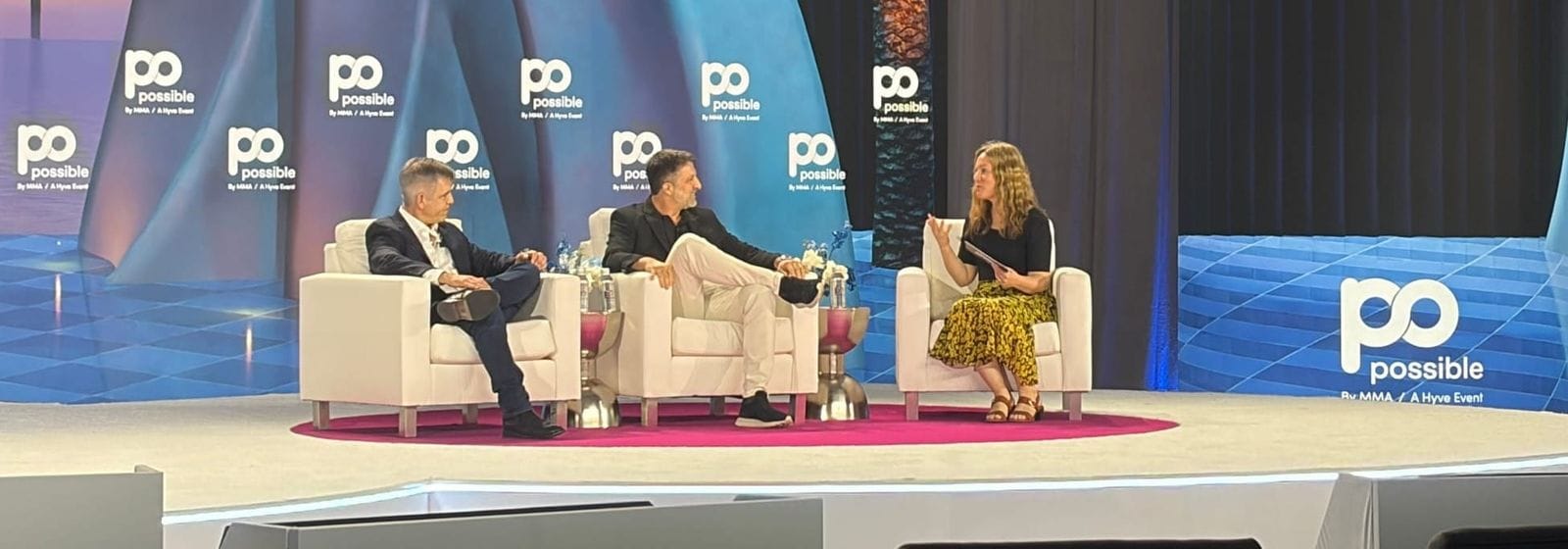
The Salesforce and MrBeast session focused on a campaign that used the Super Bowl as the entry point to a broader participation experience.
John Zissimos, EVP and Chief Creative Officer at Salesforce, and Beau Avril, SVP of Global Media and Brand Partnerships at MrBeast, explained how the campaign came together, in a conversation moderated by Zoe Ruderman.
The campaign centred on a $1 million puzzle. The Super Bowl ad introduced the idea, but most of the engagement happened afterwards, across videos, social content, a dedicated site and a custom Slackbot experience.
What made the campaign interesting was how closely it followed MrBeast’s format. There was a clear challenge, a prize, clues to follow and a reason for people to keep watching.
Salesforce’s role was to keep the product inside the logic of the experience. Slack was not presented as a standard product demo. It became part of how people interacted with the puzzle, while behind-the-scenes films showed how the MrBeast team uses Slack in its daily operations.
The session also showed what strong creator collaboration requires. Salesforce did not over-script the MrBeast team. MrBeast brought the participation mechanic and audience understanding. Salesforce brought the product narrative and infrastructure.
The takeaway was clear: large media moments can be used to introduce something people can enter, not just watch.
Crocs: Live Commerce as an Always-On Channel
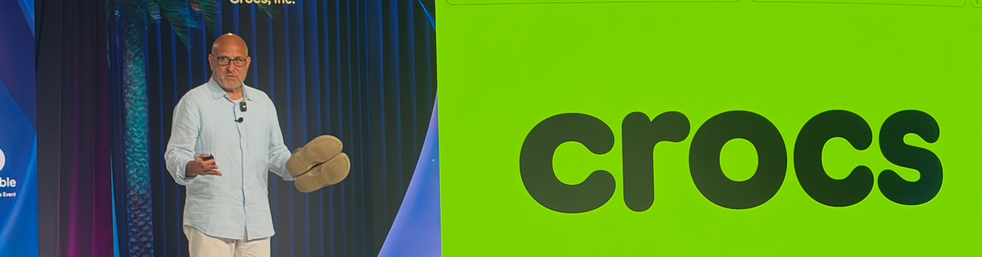
Terence Reilly, Chief Brand Officer at Crocs, shared how the brand is building live commerce into its everyday marketing.
The session worked because it was practical. Reilly did not treat live streaming as a one-off activation. For Crocs, it has become a regular channel for product discovery, engagement and community-building.
He started by reminding the audience that Crocs never really had an awareness problem. At one point, being mocked online was part of the brand’s visibility. The work was to turn that attention into momentum through collaborations, product drops and a stronger cultural presence.
Now, Crocs is applying the same logic to TikTok Shop. The brand was early to live commerce, moved quickly, and avoided building too much process around it. Reilly’s advice was simple: get started, test, fail fast, and scale what works.
One of the strongest examples was Croctober, where Crocs live streamed continuously throughout the month. The point was not just to sell products, but to build familiarity and repeat engagement.
Reilly also demonstrated the format live on stage, with a TikTok Shop stream happening during the session. It showed how important the host is: someone who can present products, respond to comments, create energy and make the experience feel live rather than scripted.
For Crocs, live commerce is not separate from brand-building. It connects product, personality, community and commerce in one place.
Kraft Heinz: Turning Brand Assets Into Cultural Moments
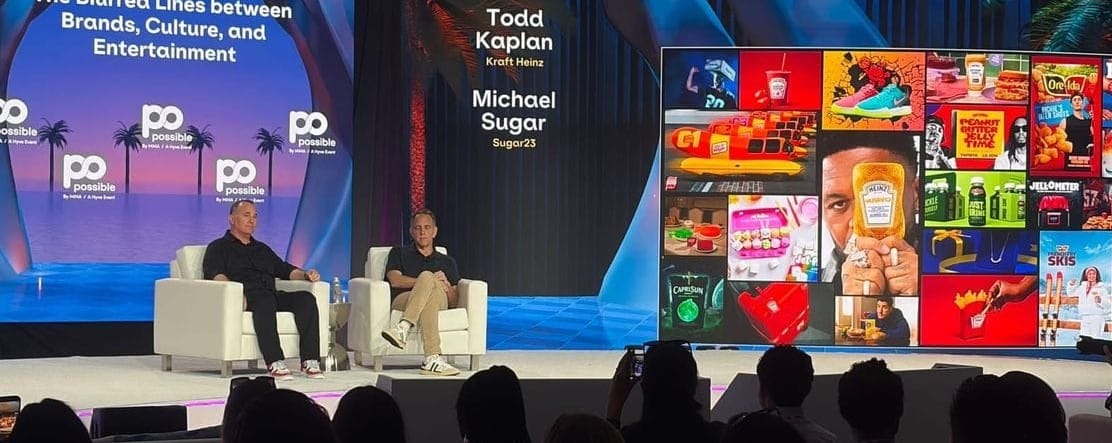
Todd Kaplan, CMO North America at Kraft Heinz, joined Michael Sugar, CEO of Sugar23, for a conversation on brands, entertainment and culture.
Kaplan’s starting point was simple: for many legacy brands, awareness is not the issue. Relevance is.
Kraft Heinz has around 70 brands in North America, many of them with decades of recognition. Kaplan’s approach is to start with what the brand already has: its visual identity, behaviours, characters, products and cultural associations.
He shared several examples. Heinz used its “57” equity during the NFL Draft by creating a moment around the 57th pick. Kraft Mac & Cheese leaned into the familiar idea of macaroni necklaces for Mother’s Day. Jell-O connected its movement to crowd noise and sports fandom.
The strongest example was Oscar Mayer’s Wienermobile. Instead of treating it as a promotional asset, the team turned it into the Wienie 500, a race between Wienermobiles that became content in its own right.
Sugar added the entertainment perspective, arguing that brands have an opportunity to help create entertainment rather than simply appear inside it. The point was not to force the brand into the frame, but to build or support stories people actually want to watch.
The session showed a practical shift: from buying attention to creating things that can earn it.
Coca-Cola: AI Inside the Creative Process
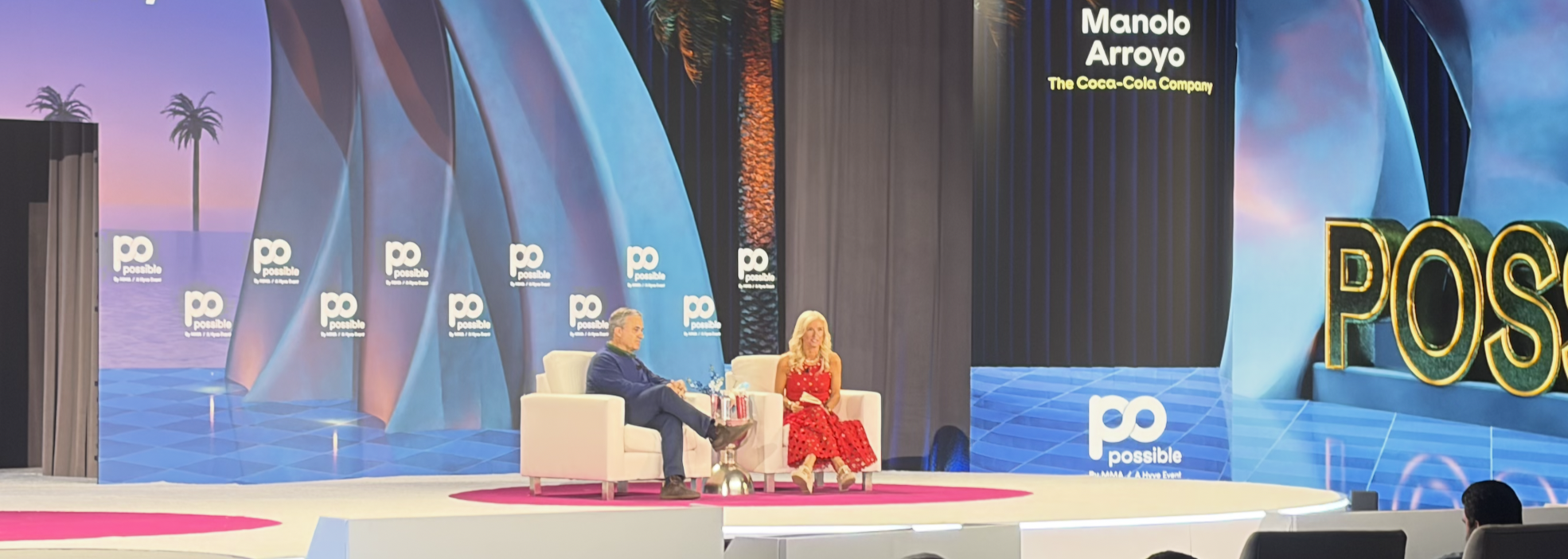
Manolo Arroyo, EVP and Global Chief Marketing and Commercial Officer at The Coca-Cola Company, joined Carolyn Everson for a conversation on leadership, marketing transformation and AI.
The most useful part of the session was how grounded Arroyo was about AI. He did not frame it as a replacement for creative judgement. He described it as a tool that is increasingly being embedded across the full marketing process, from insights and creative production to media and commercial execution.
For Coca-Cola, the challenge is scale. The company operates across hundreds of markets, but still needs its work to feel locally relevant. Arroyo explained that AI helps the brand move faster, adapt creative across more contexts and customise campaigns in ways that would previously have been difficult.
But he was clear that the starting point remains human. Coca-Cola is still trying to create emotion. As he put it, the brand does not only sell liquids. It tries to convey emotions. AI can help produce and adapt the work, but the story still needs to come from people.
Key Takeaways From the Week
- AI is becoming part of the creative system, with human judgement setting the direction.
- Live commerce works best when it becomes a habit rather than a one-off moment.
- Creator partnerships benefit from clear roles and shared ownership.
- Big media moments gain value when they extend beyond the initial exposure.
- Legacy brands can build relevance by using existing assets and recognisable traits.
- Product stories are more effective when they sit inside real behaviour.
- Attention is increasingly shaped by participation and active engagement.